BPO Simulation
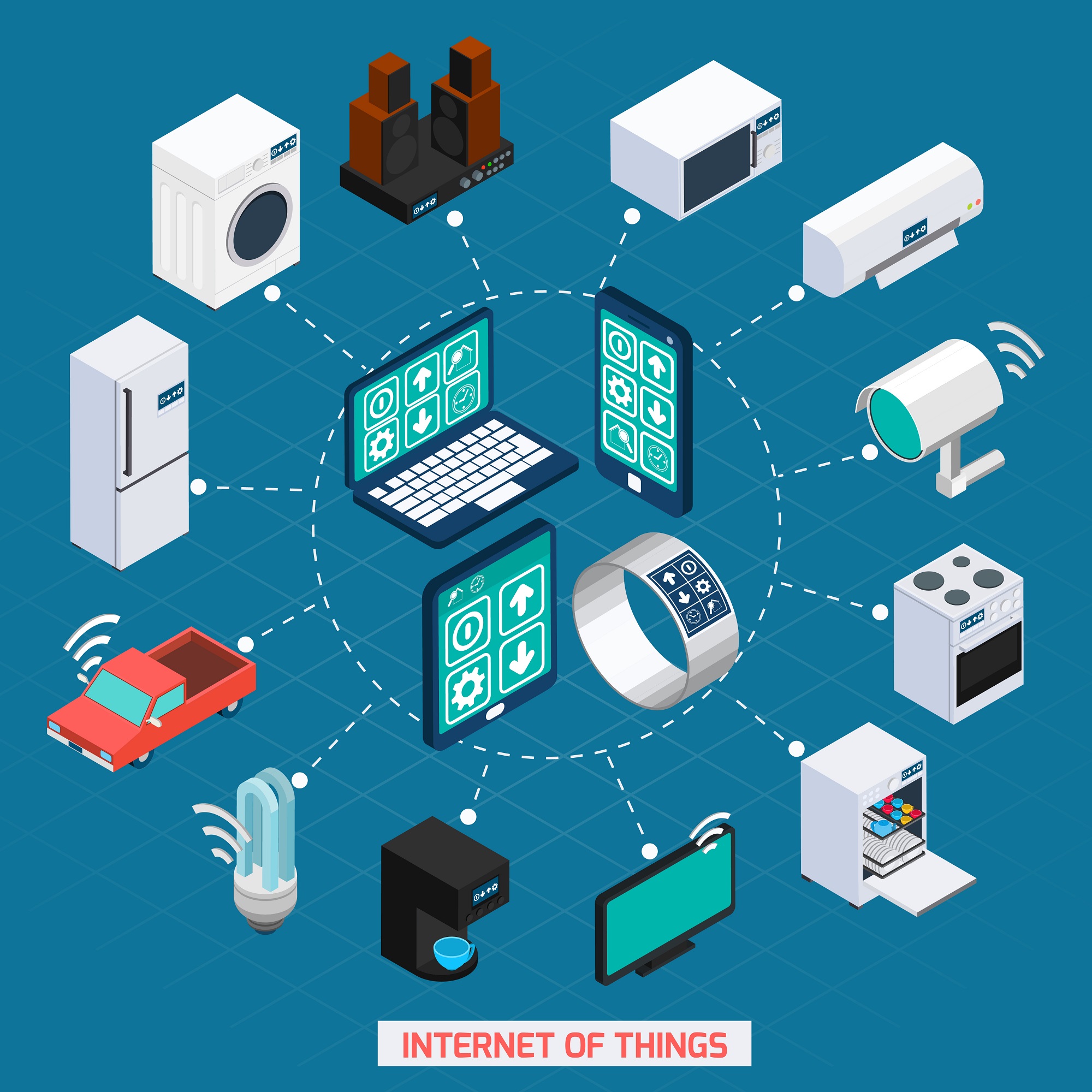
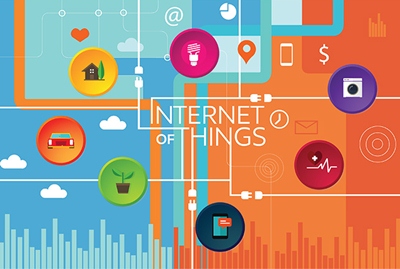
The number of things connected to the Internet and it is rapidly growing at the rate of 30 percent from this year to next, for a total of 4.9 billion, according to a new report from market research firm Gartner, and will hit 25 billion by 2020. Along with the growth in the number of devices, Gartner predicts an increase in total spending on the Internet of Things (IoT) to raise from $69.5 billion next year to $263 billion in 2020. We will implement these things with our BPO Simulation.
The Internet of Things, can be a individual with a heart monitor for fitness care, implant, a farm animal with a biochip transponder to access the required data, a car that has built-in IOT sensors to alert the driver when tire pressure is low -- or any other natural or man-made object that can be assigned an IP address and provided with the ability to transfer data over a network.
The Internet of Things is also a machine-to-machine (M2M) communication in manufacturing industries and power plants, oil and gas plants, etc. Multiple IOT applications based on Internet of thing are growing exponentially day by day.
IoT is tagging our day-to-day objects with machine-readable identification tags. Sensors may be a couple with these tags to collect more information about the condition the everyday objects and those present around them. The same applies to various companies wherein the computers would keep track of the stock available and resources and maintain them to optimum levels, thus saving a lot of time and money.
By applying IOT things into our daily life we can lead our life easy:
Data: The more the information, the easier it is to make the right decision. Knowing what to get from the grocery while you are out, without having to check on your own, not only saves time but is convenient as well.
Tracking: The computers keep a track both on the quality and the viability of things at home. Knowing the expiration date of products before one consumes them improves safety and quality of life. Also, you will never run out of anything when you need it at the last moment.
Time: The amount of time saved in monitoring and the number of trips done otherwise would be tremendous.
Money: The financial aspect is the best advantage. This technology could replace humans who are in charge of monitoring and maintaining supplies.